



Understanding the Israeli School System
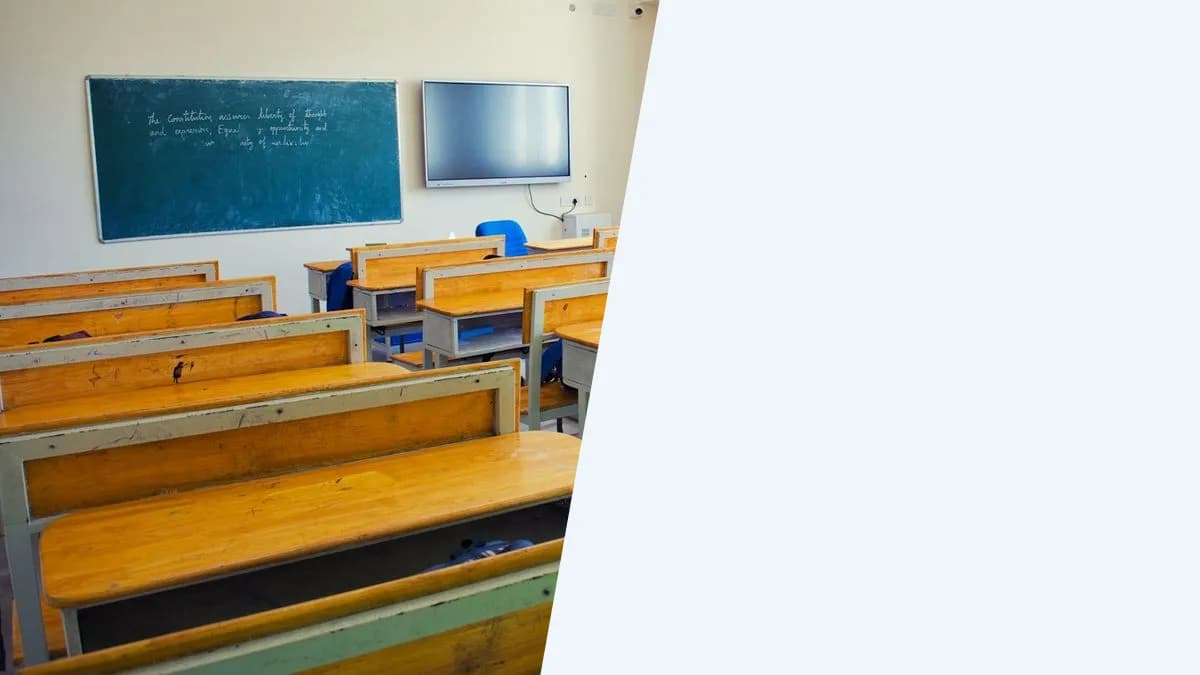
The Israeli education system is structured differently from most Western countries, and the cost picture can be confusing for olim. While public education is free by law, the reality is that families pay a surprising amount in fees, supplies, and supplementary activities. Understanding these costs upfront helps you budget accurately and avoid surprises.
The system is divided into four main streams, each with different cost implications:
Mamlachti (State/Public Schools)
Mamlachti schools are the secular public school system. The State Education Law, 5713-1953 is what defines state education and state-religious education as separate streams, and both follow the national curriculum set by the Ministry of Education and are funded by the government. Tuition is free, but that does not mean zero cost.
What families actually pay for at a Mamlachti school:
- Registration: free. Education is compulsory and free under the Compulsory Education Law, 5709-1949.
- Parent committee contribution (Vaad Horim): funds field trips, holiday events and classroom enrichment. Technically voluntary, and social pressure makes it feel otherwise.
- Textbooks and supplies: workbooks, stationery and art supplies are normally out of pocket.
- School trips (Tiyulim): Israeli schools use field trips heavily, and multi-day trips in the upper grades cost more.
- Uniform, where required: often just a school T-shirt for trips and events.
- Personal accident insurance: collected by the school.
We are deliberately not printing shekel ranges for these lines. What a school may collect from parents is capped, per grade and per category, in the Ministry of Education's annual director-general circular on parent payments, and the amounts are re-set each school year. Ask the school office for the current circular figures in writing before the year starts - that is the number that binds them, and it is the only one worth budgeting against.
Mamlachti Dati (State Religious Schools)
Mamlachti Dati schools follow the national curriculum plus additional Jewish studies (Torah, Talmud, Jewish law, and traditions). They are also fully government-funded, and the cost structure is similar to secular Mamlachti schools. However, there are a few additional expenses:
- Additional religious studies materials: Jewish texts, prayer books and related materials.
- Shabbat and holiday programming: Some schools organize Shabbat activities or pre-holiday events that may carry small fees.
- Longer school hours: Many Mamlachti Dati schools run until 15:00-16:00 (vs. 13:00-14:00 for secular schools), which can reduce after-school care costs.
The longer hours can offset after-school care expenses, so the net cost to a working family can end up lower than a secular school plus paid after-school care - the comparison worth running is total cost including care, not tuition alone.
Private Schools
Private schools in Israel are less common than in the US or UK. They include independent schools, democratic schools, Waldorf/Steiner schools, and various alternative education models. They are not unregulated: a school that is not an official state institution operates under a licence issued under the School Supervision Law, 5729-1969, which is worth asking about before you enrol. Costs vary dramatically:
- Tuition: set by the school. Some private schools receive partial government funding, which lowers what parents pay.
- Registration fee: charged on top of tuition, sometimes one-time and sometimes annual.
- Additional fees: books, supplies, trips and extracurriculars, on top of tuition.
We do not publish a range here, because "private" covers everything from a lightly subsidised alternative school to a fully independent institution, and the spread between them is larger than any average would suggest. Ask each school for a written full-year figure that includes registration, books, trips and extracurriculars.
International Schools
International schools in Israel cater primarily to diplomats, foreign workers, and some olim families who want their children educated in English. They follow international curricula (IB, American, or British) rather than the Israeli national curriculum.
- Annual tuition: set by the school, and by a wide margin the most expensive option in Israel.
- Registration and capital fees: charged on top of tuition, often one-time.
- Additional costs: bus transportation, meals, uniforms, technology fees and extracurriculars.
Ask for a written all-in figure per child per year rather than a tuition headline. Most olim families who use an international school treat it as a temporary bridge while children learn Hebrew, then move to the public system.
What hidden school costs catch olim families off guard?
Beyond the obvious fees, several costs catch new olim families by surprise:
- Transportation: Unlike many countries, school buses are not universally provided. In some areas, parents are responsible for getting children to school. If your school is not within walking distance, factor in transportation costs.
- Lunch: Israeli schools generally do not provide lunch. Children bring food from home or buy from a school kiosk. Budget for daily snacks and meals.
- Tutoring (Shiurei Ezra): private tutoring is common, especially for high school students preparing for Bagrut (matriculation) exams, and it is priced privately by the tutor.
- Technology: Upper-grade students often need a laptop or tablet. Some schools require specific devices or subscriptions.
- Bar/Bat Mitzvah year: the year your child turns 12 or 13 brings social pressure to celebrate. It is not a school cost, but it lands in the same period and it can be the largest single line in that year's family budget.
How much does after-school care (Tzmudim) cost?
Because many Israeli schools end at 13:00-14:00, after-school care (called Tzmudim or Tzaharon) is a necessity for working parents. These programs operate from school dismissal until 16:00-17:00.
Municipal programmes are subsidised and cheaper than private after-school programmes, which cost more but may offer enrichment activities. Some schools integrate the programme into their daily schedule. Prices are set locally and change by municipality and by year, so ask your municipality for the current rate rather than budgeting from a national figure.
Low-income families and olim may qualify for subsidized rates on municipal after-school programs. Check with your local municipality (Iriya) for available discounts.
Is special education free in Israel?
Israel provides special education services at no cost to families under the Special Education Law, 5748-1988. If your child has learning differences, developmental delays, or physical disabilities, they are entitled to:
- Placement committee review: A professional committee (Vaada) evaluates your child and recommends an appropriate educational setting.
- Inclusion support: Many children with special needs are integrated into regular classrooms with additional support hours from a dedicated aide (Sayaat).
- Specialized schools: For children needing more intensive support, fully funded special education schools are available.
- Therapies: Speech therapy, occupational therapy, and psychological services are provided through the school system or Kupat Cholim at no additional cost.
If your child received special education services in your home country, bring all documentation (translated to Hebrew) to expedite the evaluation process in Israel. The process can take several months, so start early.
Which school track should olim families choose?
For most olim families, the financial and practical choice comes down to Mamlachti (secular public) or Mamlachti Dati (religious public). Both are free, both follow the national curriculum, and both integrate children into Israeli society. The main difference is the religious studies component and school hours.
International schools make financial sense only if you plan to leave Israel within a few years or have children approaching university age who need international qualifications. For families settling permanently, integrating into the Israeli system sooner produces better long-term outcomes for the children, both socially and linguistically.
Israel has four school streams, and "free" public education still carries real costs. Compulsory education is free under the Compulsory Education Law, 5709-1949, so secular public schools (Mamlachti) and religious public schools (Mamlachti Dati) charge no tuition, but families still pay for parent committee activities, textbooks and supplies, school trips and insurance. What a school may collect is capped per grade and per category in the annual director-general circular of the Ministry of Education on parent payments, and the amounts are re-set each school year, so ask the school office for the current figures in writing rather than budgeting from a national range. Private and international schools set their own fees and the spread between them is very wide; ask each school for a written all-in figure per child per year. Because most schools dismiss around 13:00-14:00, working parents usually need after-school care, which is priced locally by the municipality. Special education services are provided at no cost under the Special Education Law, 5748-1988. For families settling permanently, the Mamlachti or Mamlachti Dati public track is the standard financial and integration choice; international school usually makes sense only as a short-term bridge while children learn Hebrew.
Education is compulsory and free under the Compulsory Education Law, 5709-1949, so tuition at secular public schools (Mamlachti) and religious public schools (Mamlachti Dati) costs nothing. Families still pay for parent committee activities (Vaad Horim), textbooks and supplies, school trips (Tiyulim), a uniform or school T-shirt where required, and personal accident insurance. We do not publish shekel ranges for these lines: what a school may collect from parents is capped per grade and per category in the Ministry of Education annual director-general circular on parent payments, and the amounts are re-set each school year. Ask the school office for the current circular figures in writing. The parent committee contribution is technically voluntary, but social pressure makes it feel otherwise.
Mamlachti schools are the secular public system, while Mamlachti Dati schools follow the same national curriculum plus additional Jewish studies (Torah, Talmud, Jewish law, and traditions). Both are fully government-funded with no tuition. Mamlachti Dati adds a few expenses, such as religious studies materials and occasional Shabbat or pre-holiday programming. However, many Mamlachti Dati schools run until 15:00-16:00 instead of 13:00-14:00, so the longer hours can reduce after-school care costs and potentially make the net cost to a working family lower than a secular school plus paid care. Run the comparison on total cost including care, not on tuition alone.
Both set their own fees, and the spread is wide enough that any average would mislead. Private schools (independent, democratic, Waldorf/Steiner and other alternative models) charge tuition plus a registration fee and additional fees for books, supplies, trips and extracurriculars; some receive partial government funding that lowers what parents pay. International schools, which follow IB, American or British curricula, are the most expensive option in Israel by a wide margin, and add registration and capital fees plus bus transportation, meals, uniforms and technology fees. Ask each school for a written all-in figure per child per year rather than a tuition headline.
Because many Israeli schools dismiss at 13:00-14:00, after-school care (called Tzaharon or Tzmudim) is a necessity for working parents. These programmes run from school dismissal until 16:00-17:00. Municipal programmes are subsidised and cheaper than private ones, which cost more but may offer enrichment activities. Prices are set locally and change by municipality and by year, so ask your municipality for the current rate rather than budgeting from a national figure. Low-income families and olim may qualify for subsidized rates on municipal programs, so it is worth checking with your local municipality (Iriya) for available discounts.
Several costs surprise families who expect a Western-style setup. School buses are not universally provided, so if your school is not within walking distance you may need to arrange and pay for transportation. Israeli schools generally do not provide lunch, so children bring food from home or buy from a school kiosk. Private tutoring (Shiurei Ezra) is extremely common, especially for high schoolers preparing for Bagrut matriculation exams, priced privately by the tutor. Upper-grade students often need a laptop or tablet, and some schools require specific devices or subscriptions. Finally, the Bar/Bat Mitzvah year (around 7th grade, when a child turns 12 or 13) brings social pressure to celebrate, and it can be the largest single line in the family budget that year; it is not strictly a school cost but it lands in the same period.
Yes. Israel provides special education services at no cost to families under the Special Education Law, 5748-1988. A child with learning differences, developmental delays, or physical disabilities is entitled to a placement committee (Vaada) review that recommends an appropriate setting, inclusion support such as a dedicated aide (Sayaat) in a regular classroom, fully funded specialized schools for children needing more intensive support, and therapies including speech therapy, occupational therapy, and psychological services through the school system or Kupat Cholim at no additional cost. If your child received special education services in your home country, bring all documentation translated into Hebrew to expedite the evaluation, and start early because the process can take several months.
For most olim families, the practical and financial choice is between Mamlachti (secular public) and Mamlachti Dati (religious public). Both are free, both follow the national curriculum, and both integrate children into Israeli society; the main differences are the religious studies component and school hours. International schools generally make financial sense only if you plan to leave Israel within a few years or have children approaching university age who need international qualifications. For families settling permanently, integrating into the Israeli public system sooner tends to produce better long-term outcomes for children, both socially and linguistically.