





Why does teaching kids about money start at home in Israel?
Israel does not have a strong financial literacy curriculum in public schools. While some high schools introduce basic economics, the responsibility for teaching children about money falls primarily on parents. As an oleh parent, you have a unique opportunity and challenge: your children need to learn about money in a system that may be unfamiliar to you as well.
The good news is that the Israeli financial landscape includes several features that make it a natural teaching environment: Tashlumim (installment payments) are a daily part of life, the Gemel Yeladim savings account gives children a real investment portfolio by age 18, and the strong culture of entrepreneurship means financial conversations are woven into Israeli society.
Ages 3-5: Coins, Notes, and Basic Concepts
Start with the physical money your child encounters every day.
- Israeli currency basics: Teach your child about Shekels (NIS) and Agurot. 100 Agurot = 1 Shekel. Let them handle coins (10 Agurot, 50 Agurot, 1 NIS, 2 NIS, 5 NIS, 10 NIS) and identify the notes (20 NIS, 50 NIS, 100 NIS, 200 NIS).
- Play store: Set up a pretend store at home with price tags in NIS. Let your child "buy" items and practice counting out the correct amount.
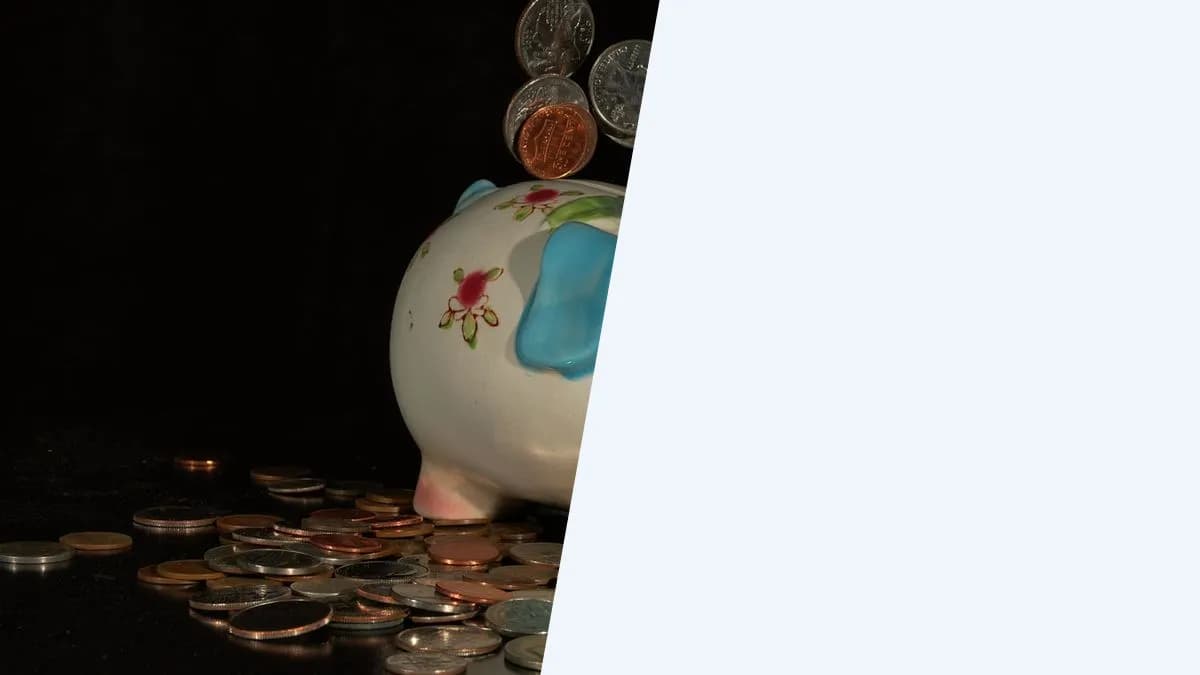
- Kupat Chisachon (piggy bank): Give your child a clear jar or piggy bank. The Hebrew term is Kupat Chisachon (literally: savings box). Let them see the money accumulate over weeks and months.
- Wants vs. needs: At the supermarket, start distinguishing between things we need (Tza'rich - bread, milk) and things we want (Rotzeh - candy, toys). This basic framework is the foundation of budgeting.
Ages 6-9: First Allowance and Saving Goals
School-age children are ready for more structured money management.
The Allowance Question
There is no universal approach, but a popular Israeli strategy is to give a weekly allowance (Dmei Kisim - literally "pocket money") tied to age. Common benchmarks:
- Age 6-7: NIS 10-15/week
- Age 8-9: NIS 15-25/week
Whether to tie the allowance to chores is a personal decision. Some financial educators recommend giving a base allowance regardless of chores (to teach money management) while offering extra money for above-and-beyond tasks (to teach earning).
The Three-Jar System
Divide the allowance into three categories using physical jars, envelopes, or a simple notebook:
- Spend (Hotzaot): Money available for immediate purchases. Let your child make mistakes: if they blow the whole amount on candy on Monday, they learn by Wednesday that the money is gone.
- Save (Chisachon): Money set aside for a specific goal. Help them choose a target: a toy, a book, a game. Track progress visually.
- Give (Natan/Tzedakah): Money for charity or gifts. Israel has a strong culture of Tzedakah (charity), and this jar reinforces that value.
Shopping Practice
Take your child to the makolet (corner store) with their own money. Let them choose what to buy, calculate whether they have enough, and handle the transaction. This builds real-world confidence with Israeli currency.
Ages 10-12: Understanding the Israeli Financial System
Pre-teens can handle more sophisticated concepts, especially those unique to Israel.
Tashlumim (Installment Payments)
Tashlumim are everywhere in Israel. When you buy something at a store and the cashier asks "Kama Tashlumim?" (How many installments?), use it as a teaching moment. Explain:
- אשראי (Ashrai) (credit) means buying now and paying later.
- Interest-free installments (Tashlumim Llelo Ribit) are common in Israel but rare elsewhere. Explain why stores offer them (they want you to buy more).
- Even interest-free installments mean you owe money. Help them understand that owing NIS 500 in future payments means they have NIS 500 less available for other things.
Interest (Ribit)
Open a simple חשבון חיסכון (Cheshbon Chisachon) (savings account) in your child's name at your bank. Show them the monthly statements and how ריבית (Ribit) (interest) adds money they did not earn through work. This makes the abstract concept of "money growing" tangible.
The Gemel Yeladim Connection
Around age 10-12, show your child their Gemel Yeladim account balance. Explain that the government has been saving money for them since birth, that the money is invested in the stock market, and that they will receive it at age 18. This makes the concept of long-term investing personal and real.
Ages 13-17: Real-World Financial Skills
Teenagers are approaching adulthood and need practical financial skills.
Increased Allowance and Responsibility
Consider giving a larger monthly allowance (NIS 200-500/month for ages 13-15, NIS 300-600/month for ages 16-17) that covers more categories: clothing, social outings, phone credit, and personal expenses. This forces budgeting decisions.
First Debit Card
Several Israeli banks offer youth debit cards (typically from age 12-14) that allow parents to set spending limits and monitor transactions via an app. This is an excellent transition from cash to digital money management. Popular options include youth accounts at Leumi, Hapoalim, and digital bank alternatives.
Understanding the Payslip
If your teenager gets a part-time job (common in Israel for ages 16+), walk them through their first payslip. Show them Bruto vs. Neto, explain why taxes are deducted, and introduce the concept of mandatory pension contributions.
Bar/Bat Mitzvah Money
Bar and Bat Mitzvah celebrations in Israel often result in cash gifts totaling NIS 5,000-20,000. This is an opportunity to practice the three-jar system at scale:
- Spend: Let them use a portion (20-30%) for something they want.
- Save: Invest 50-60% in a savings account or provident fund for their future.
- Give: Donate 10-20% to a cause they care about.
Involving the child in this decision builds financial agency and respect for money.
What Hebrew financial vocabulary should kids learn?
Teaching your children financial Hebrew helps them navigate daily life and builds their confidence:
- Kesef (כסף): Money
- Machir (מחיר): Price
- Hanacha (הנחה): Discount
- Kabala (קבלה): Receipt
- Odef (עודף): Change (money returned)
- Yakar (יקר): Expensive
- Zol (זול): Cheap
- Chisachon (חיסכון): Savings
- Halvaa (הלוואה): Loan
- Chov (חוב): Debt
- Tashlumim (תשלומים): Installments
- Dmei Kisim (דמי כיסים): Pocket money / Allowance
How do you involve kids in family budget decisions?
One of the most effective ways to teach financial literacy is to include children in age-appropriate family financial discussions:
- Grocery shopping: Give older children a budget for a specific category (fruits, snacks) and let them make purchasing decisions within that limit.
- Vacation planning: Set a family vacation budget and involve the children in research and tradeoff decisions (fancier hotel vs. more activities).
- Utility awareness: Teach children that electricity, water, and internet cost money. This connects daily habits (turning off lights, shorter showers) to financial consequences.
- Comparison shopping: When buying clothes or electronics, show children how to compare prices across stores and online. In Israel, price differences between retailers can be dramatic.
Key Principles
- Start early, go slow: Even small lessons at age 3-4 build the foundation for more complex concepts later.
- Allow mistakes: A child who wastes their NIS 20 allowance on something they regret learns more from that experience than from a lecture.
- Use Israeli context: Tashlumim, Gemel Yeladim, and the shekel are your teaching tools. Use what your children encounter daily.
- Model good behavior: Children learn more from watching how you handle money than from what you tell them about money.
Israel has no strong financial literacy curriculum in public schools, so as an oleh parent you carry most of the responsibility for teaching your kids about money, in a system that may be new to you too. Start early with physical NIS coins and notes (ages 3-5), introduce a weekly allowance and a three-jar Spend/Save/Give system (ages 6-9), then use uniquely Israeli features as teaching tools: Tashlumim (installment payments), a child's savings account, and the Gemel Yeladim account the government funds from birth and pays out at age 18 (ages 10-12). Teenagers can handle a larger allowance, a youth debit card, reading a payslip (Bruto vs. Neto), and managing Bar/Bat Mitzvah cash gifts. Teaching Hebrew money vocabulary alongside English helps children navigate daily Israeli life independently. This is general educational guidance, not personalized financial advice.
Israel does not have a strong financial literacy curriculum in public schools. While some high schools introduce basic economics, the responsibility for teaching children about money falls primarily on parents. For an oleh parent this is both an opportunity and a challenge, because your children need to learn money skills in a system that may be unfamiliar to you as well. The upside is that Israel offers natural teaching tools: Tashlumim (installment payments) are a daily part of life, the Gemel Yeladim account gives children a balance that pays out by age 18, and a strong entrepreneurial culture means financial conversations are common.
You can start as early as ages 3-5 using the physical money your child sees every day. Teach Shekels (NIS) and Agurot, with 100 Agurot equal to 1 Shekel, and let them handle coins (10 Agurot, 50 Agurot, 1, 2, 5, and 10 NIS) and identify the notes (20, 50, 100, and 200 NIS). Set up a pretend store with NIS price tags, give them a clear jar or piggy bank (Kupat Chisachon, literally savings box) so they watch money accumulate, and at the supermarket start distinguishing needs (Tza'rich, like bread and milk) from wants (Rotzeh, like candy and toys). Even small lessons at age 3-4 build the foundation for more complex concepts later.
There is no universal approach, but a popular Israeli strategy is a weekly allowance (Dmei Kisim, literally pocket money) tied to age. Common benchmarks are NIS 10-15 per week at ages 6-7 and NIS 15-25 per week at ages 8-9. For teenagers, a larger monthly allowance is common, around NIS 200-500 per month for ages 13-15 and NIS 300-600 per month for ages 16-17, covering categories like clothing, social outings, and phone credit so they have to make budgeting decisions. Whether to tie the allowance to chores is a personal decision; some educators give a base allowance regardless of chores to teach money management, plus extra money for above-and-beyond tasks to teach earning.
The three-jar system divides the allowance into three categories using physical jars, envelopes, or a simple notebook. Spend (Hotzaot) is money for immediate purchases, where you let the child make mistakes so they learn that if they blow the whole amount on candy on Monday, it is gone by Wednesday. Save (Chisachon) is money set aside for a specific goal like a toy, book, or game, with progress tracked visually. Give (Natan/Tzedakah) is money for charity or gifts, which reinforces Israel's strong culture of Tzedakah. You can also apply this system at scale to Bar/Bat Mitzvah cash gifts, which often total NIS 5,000-20,000, for example spending 20-30%, saving 50-60%, and giving 10-20%.
Tashlumim are everywhere in Israel, so when a cashier asks Kama Tashlumim? (how many installments?) you can use it as a teaching moment. Explain that Ashrai (credit) means buying now and paying later. Interest-free installments (Tashlumim Llelo Ribit) are common in Israel but rare elsewhere, and you can explain that stores offer them because they want you to buy more. Most importantly, help your child understand that even interest-free installments mean you owe money: owing NIS 500 in future payments means they have NIS 500 less available for other things.
Gemel Yeladim (also called Savings for Every Child) is an account the government funds monthly for every child from birth, paying out at age 18 (it can be left to grow until 21 with a state bonus). Around ages 10-12 you can show your child their account balance and explain that the government has been saving for them since birth and that they will receive it at age 18. Depending on the track the parent chose, the money may sit in a bank savings account or in a provident fund (kupat gemel) that can be invested in the markets, so it is worth checking which track your child is on. This makes the abstract idea of long-term saving personal and concrete. You can reinforce the idea of money growing by opening a simple Cheshbon Chisachon (savings account) in the child's name and showing them how Ribit (interest) adds money they did not earn through work.
Teenagers can handle practical, real-world financial skills. Several Israeli banks offer youth debit cards (typically from age 12-14) that let parents set spending limits and monitor transactions via an app, which is a good transition from cash to digital money; popular options include youth accounts at Leumi, Hapoalim, and digital bank alternatives. If your teenager takes a part-time job (common from age 16) walk them through their first payslip, showing Bruto versus Neto, why taxes are deducted, and the concept of mandatory pension contributions. Bar/Bat Mitzvah cash gifts (often NIS 5,000-20,000) are also a chance to practice the Spend/Save/Give system at scale and build financial agency.
Teaching financial Hebrew alongside English helps children navigate daily Israeli life and builds their confidence. Useful everyday terms include Kesef (money), Machir (price), Hanacha (discount), Kabala (receipt), Odef (change returned), Yakar (expensive), Zol (cheap), Chisachon (savings), Halvaa (loan), Chov (debt), Tashlumim (installments), and Dmei Kisim (pocket money or allowance). Practicing these in real settings, such as taking your child to the makolet (corner store) with their own money to choose items, calculate whether they have enough, and handle the transaction, builds real-world confidence with Israeli currency.